LED Light Therapy at Home: Does It Actually Work?
The short answer is yes. The longer answer is: it depends entirely on how you use it.
LED light therapy has been around in dermatology offices for decades. What's changed is the devices. Professional-grade results at a fraction of the price, done at home, in ten minutes. When I first looked into it, I was skeptical. I'd tried enough trending treatments that promised more than they delivered. But this one has a different story — because it's not a trend. It's an application of something we've understood for a long time.
What LED Light Actually Does
LED stands for light-emitting diode. Different wavelengths of light do different things to the skin at a cellular level.
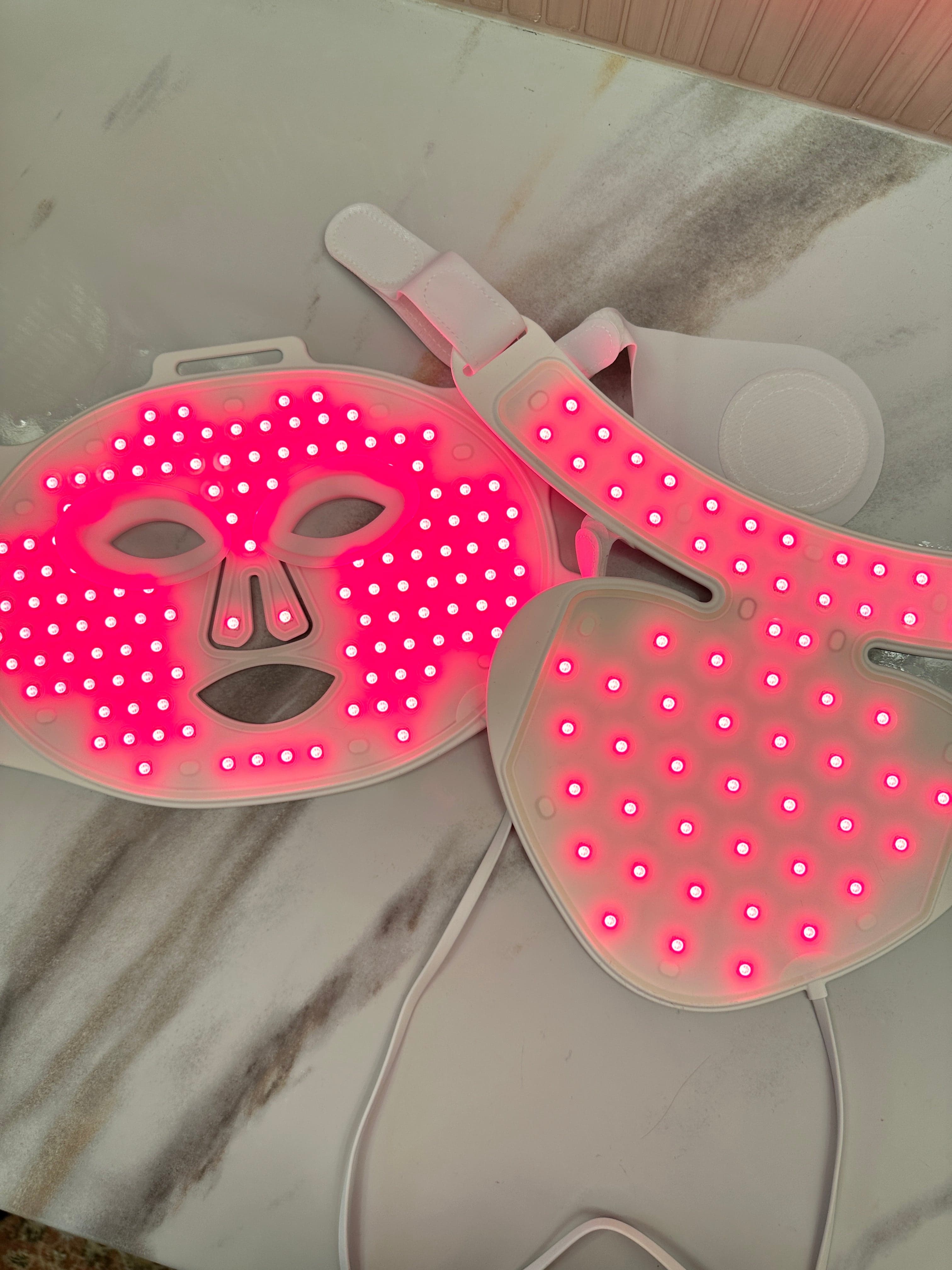
Red light (around 630–700nm) stimulates collagen production, reduces inflammation, and speeds up cellular repair. It goes deeper into the skin than blue light and is the gold standard for anti-aging, fine lines, and overall skin health.
Blue light (around 415–450nm) targets acne-causing bacteria. It doesn't penetrate deeply but it doesn't need to — the bacteria it kills live close to the surface. If you're dealing with breakouts, this is the wavelength you want.
Near-infrared light is invisible to the naked eye but penetrates the deepest. It's used for deeper tissue repair, circulation, and reducing inflammation at a level the other wavelengths can't reach.
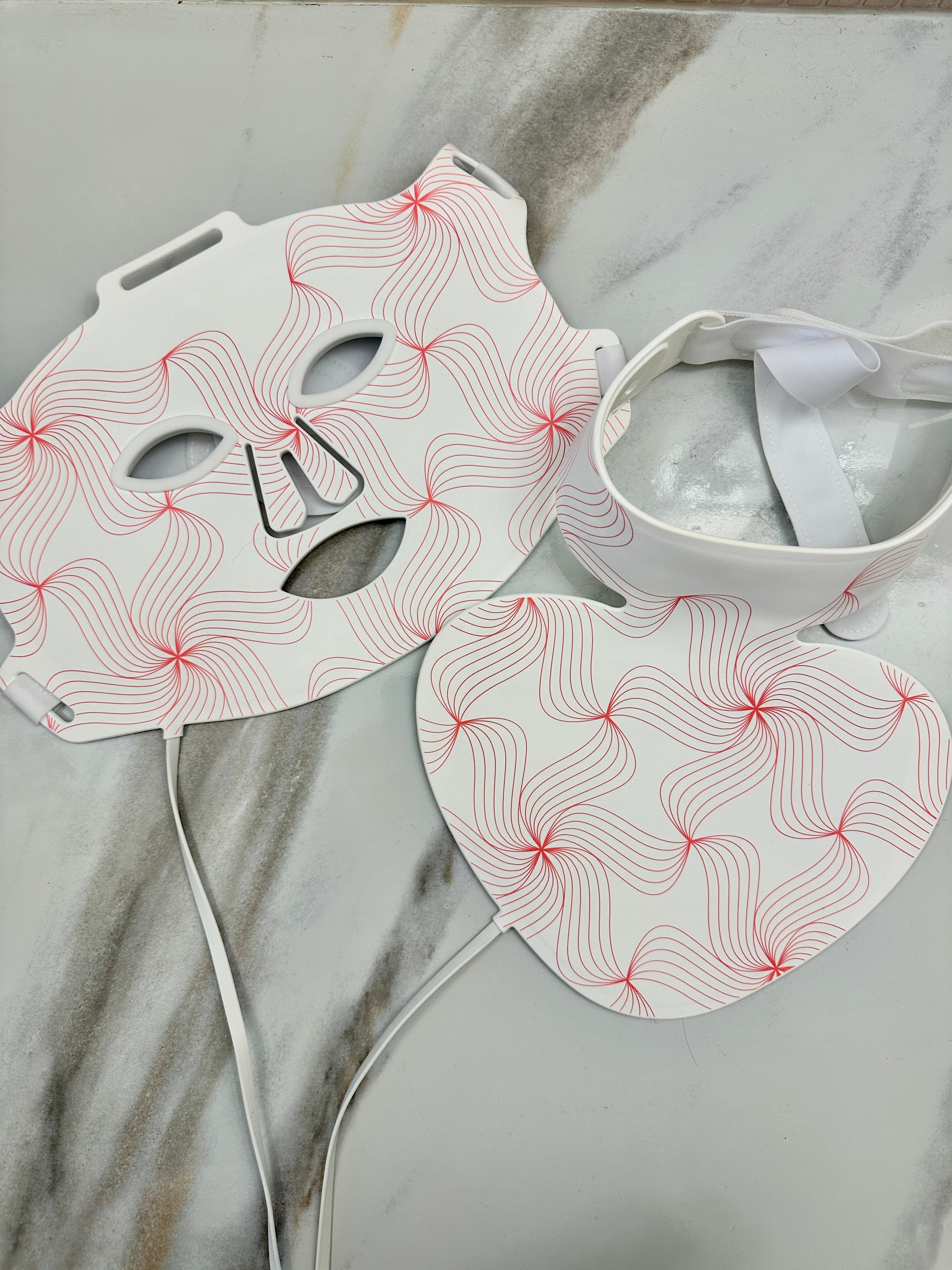
Most at-home devices combine red and near-infrared, sometimes with blue. The device isn't the complicated part. The routine is.
The One Thing That Determines Whether You'll See Results
Consistency.
I know that's not a thrilling answer, but it's the accurate one. LED therapy works the way exercise works: you don't do three sessions and expect a transformation. Your cells need repeated stimulation over time to change their behavior. Studies typically show meaningful results after 8–12 weeks of regular use — usually three to five times per week.
The people who buy an LED device, use it twice, and conclude it doesn't work aren't wrong about their experience. They just stopped before anything had a chance to happen.
How to Build It Into a Routine That Sticks
The mistake most people make is treating LED therapy like a spa treatment — something you do occasionally when you have extra time. That's not how it works. It needs to be as automatic as washing your face.
The easiest way: attach it to something you already do. Ten minutes while your coffee brews. While you read. While you're sitting down at night anyway. The session itself requires almost nothing from you except being still.
Start clean. Use your device before any serums or moisturizers — LED light needs direct skin contact to penetrate properly. Applying products first creates a barrier. Save everything else for after.
What to Use Before and After
Before: clean skin, nothing else.
After: this is when your skin is most primed for absorption. Whatever active ingredients you want to work into your skin — vitamin C, hyaluronic acid, peptides — apply them immediately after your session. Blood flow is increased, cellular activity is elevated, and your skin will take in what you give it more effectively than at almost any other time.
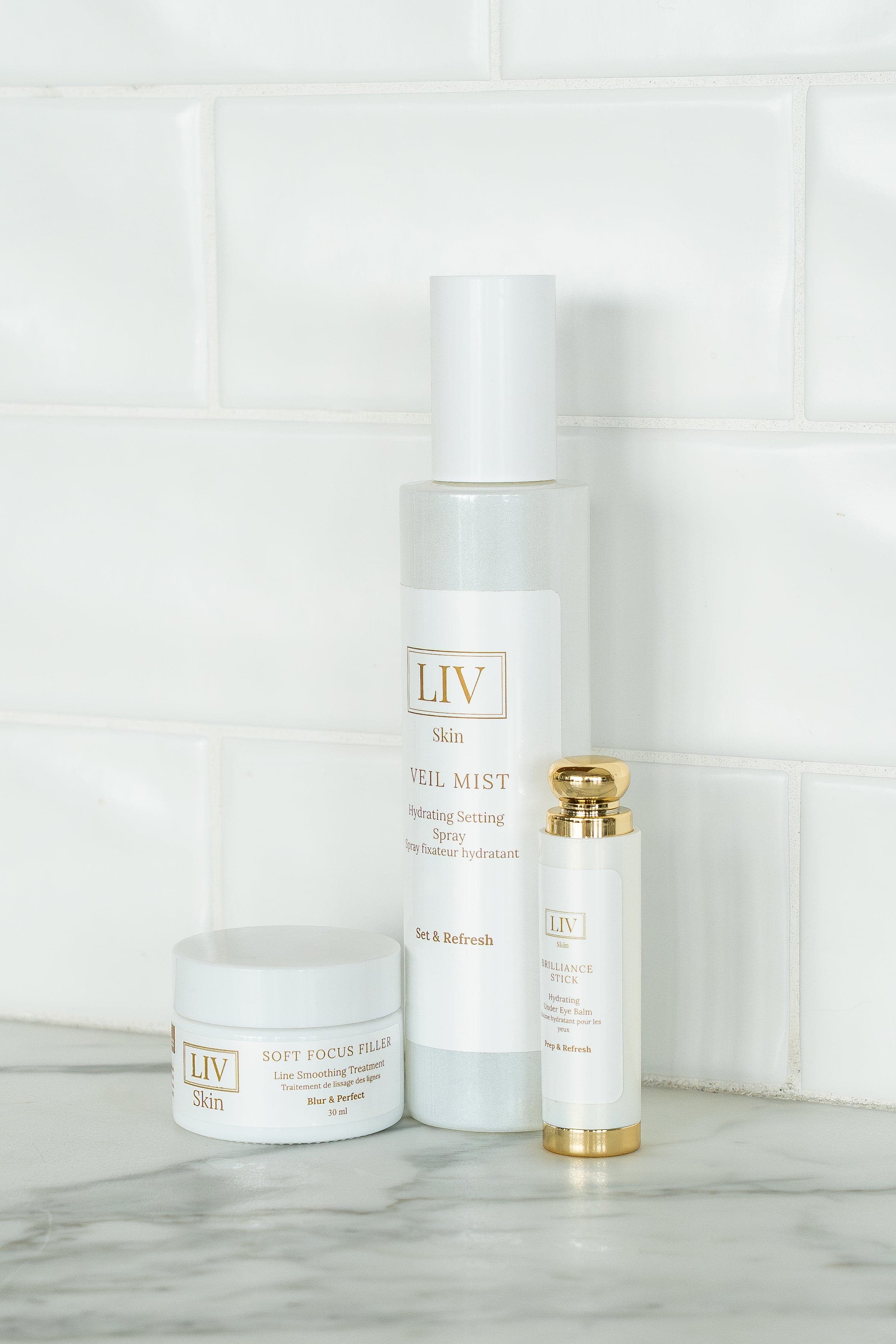
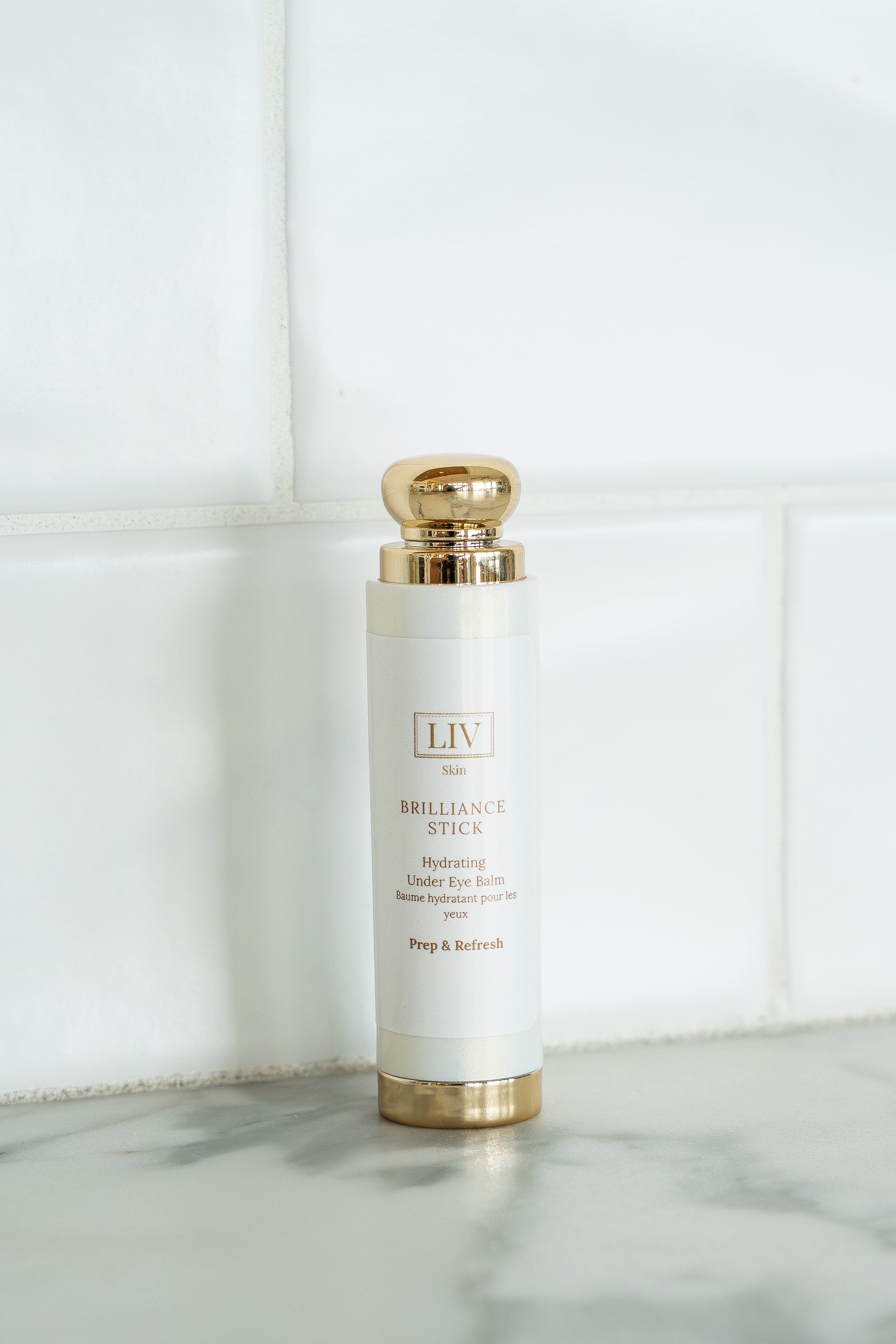
A hydrating prep product applied after LED, before the rest of your routine, makes a noticeable difference. The warmth of the session opens things up. Give it something worthwhile.
The Bottom Line
LED therapy works. It's one of the few at-home skincare tools backed by real clinical evidence. But it requires patience and consistency in a way that most treatments don't — because it's not treating the surface of your skin. It's changing what's happening underneath.
If you're willing to commit to it, the results are real and they're lasting. That's a different category entirely from most of what's out there.

Toby Tannas
Founder, LIV Lifestyle